Last updated October 31, 2026
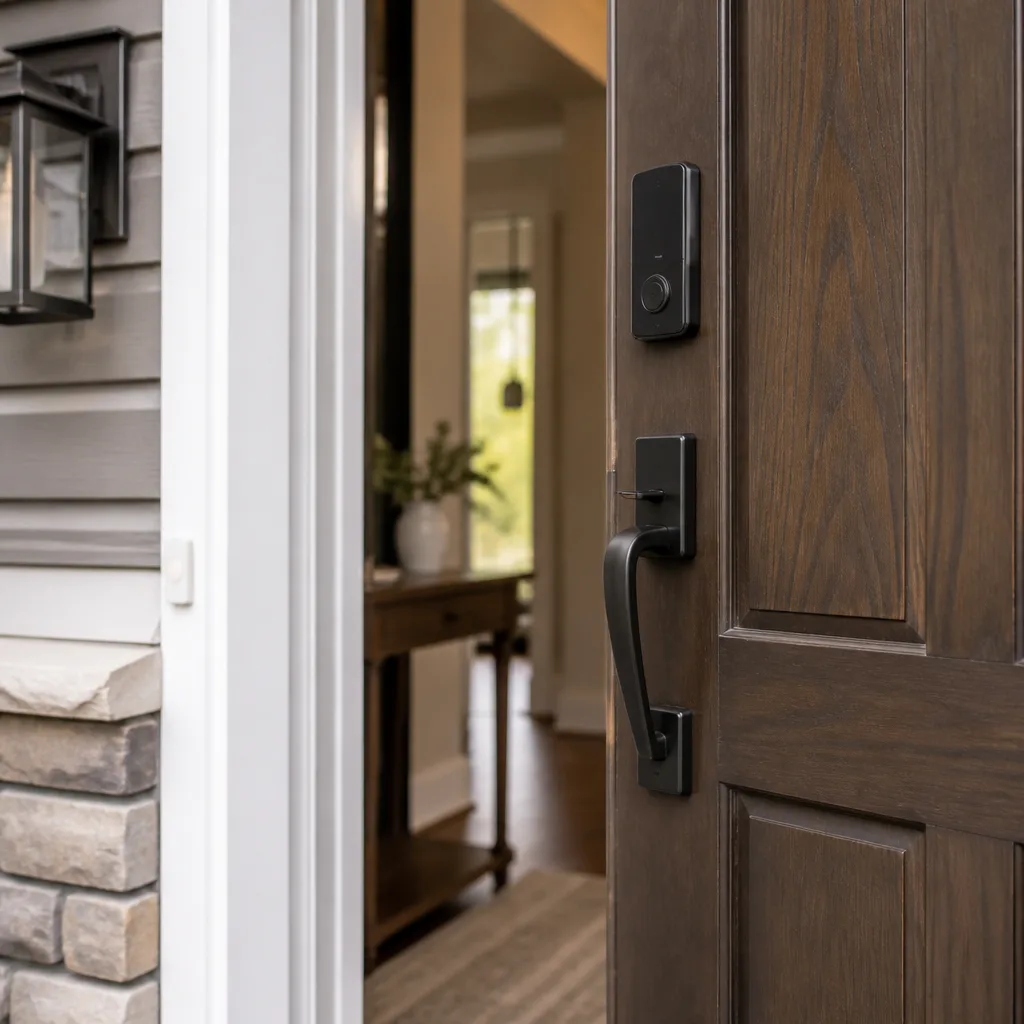 Smart locks
 House lockouts
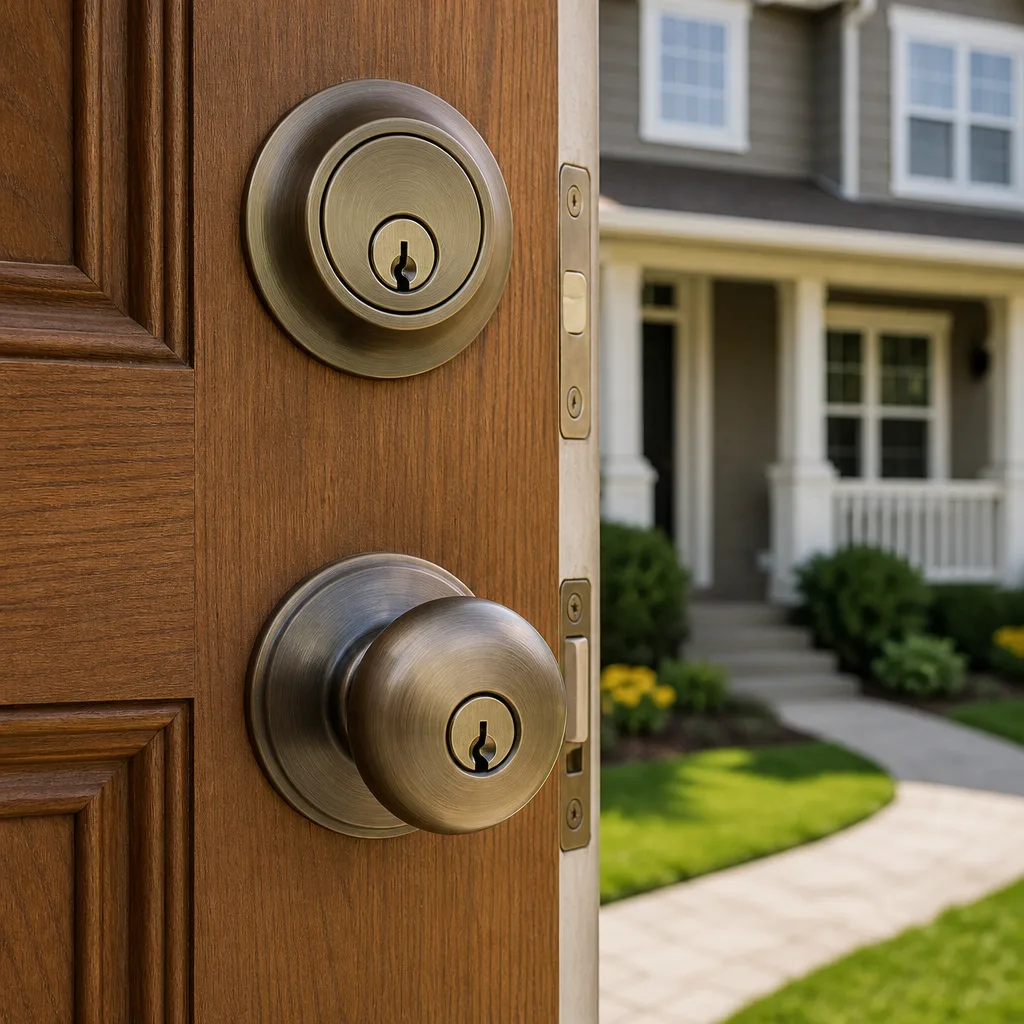 Re-keying
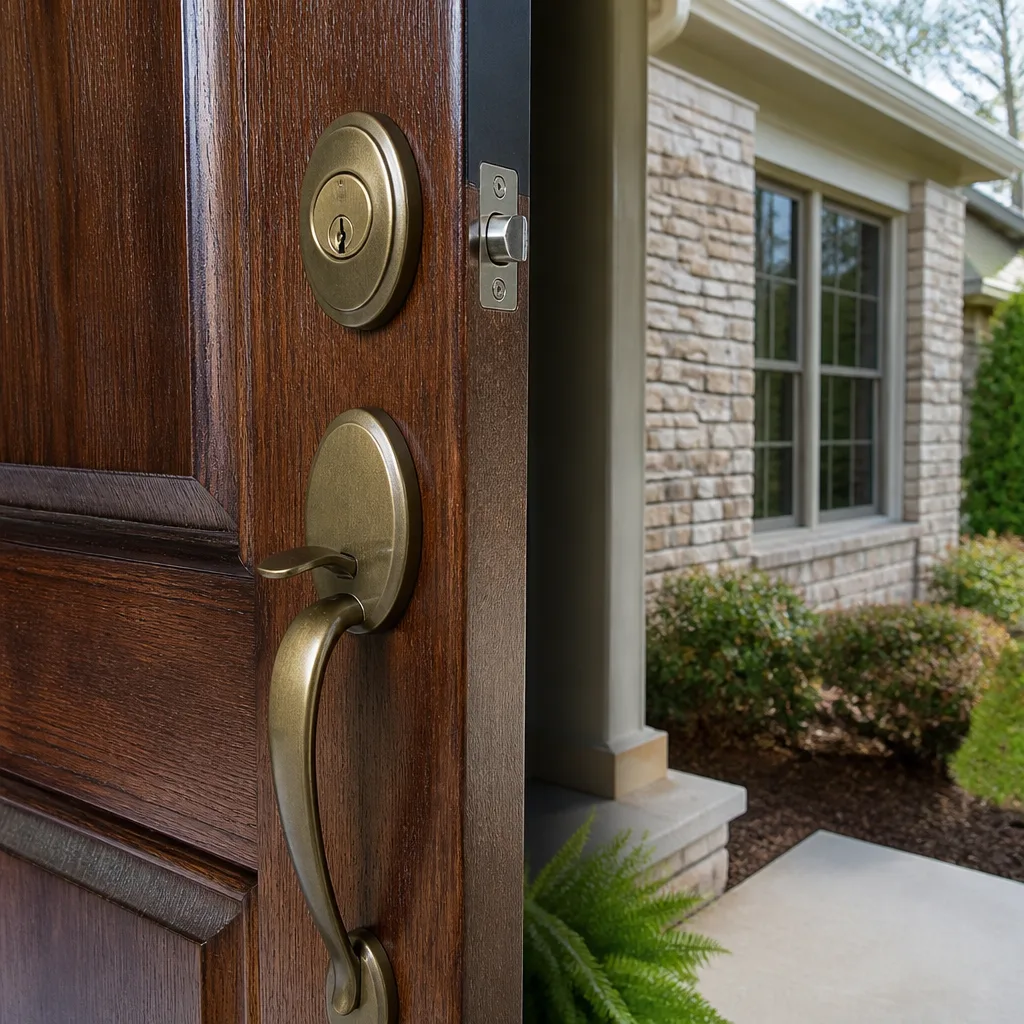
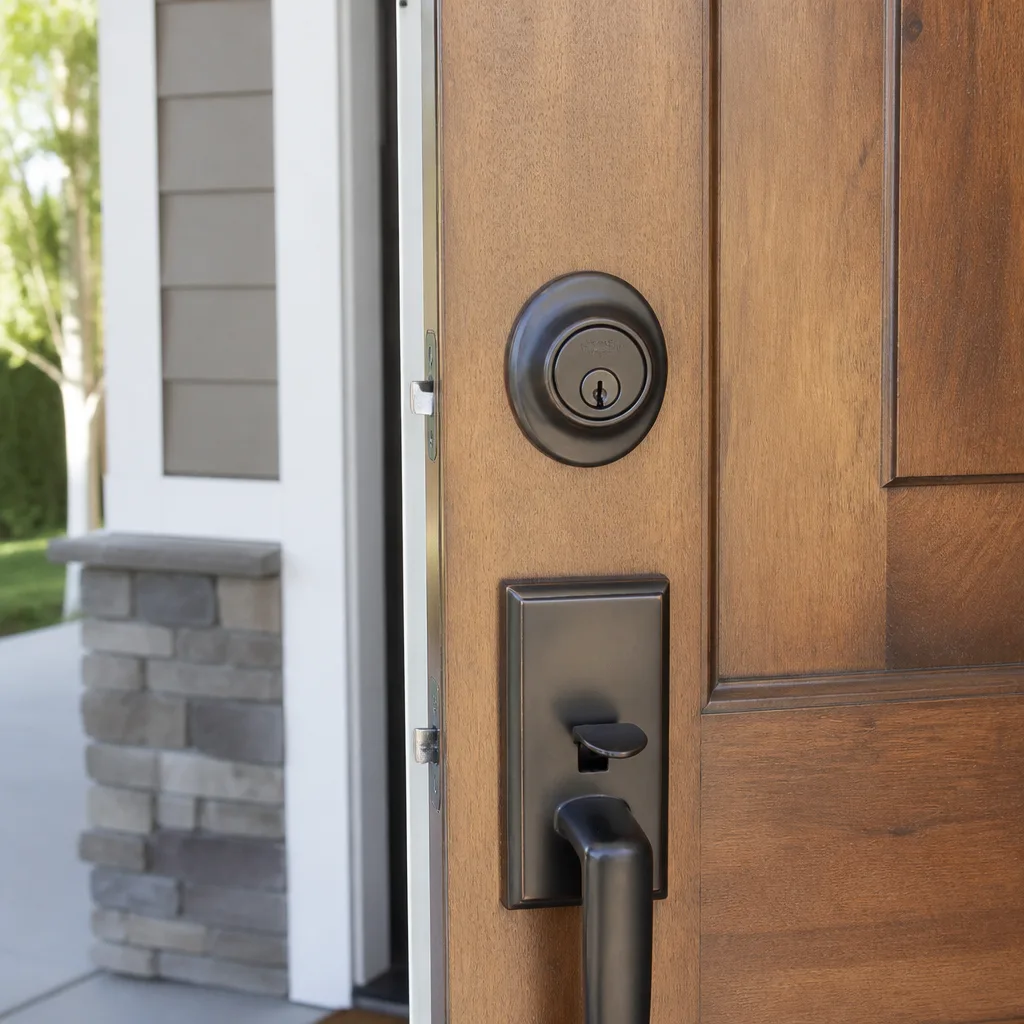 Deadbolt upgrades
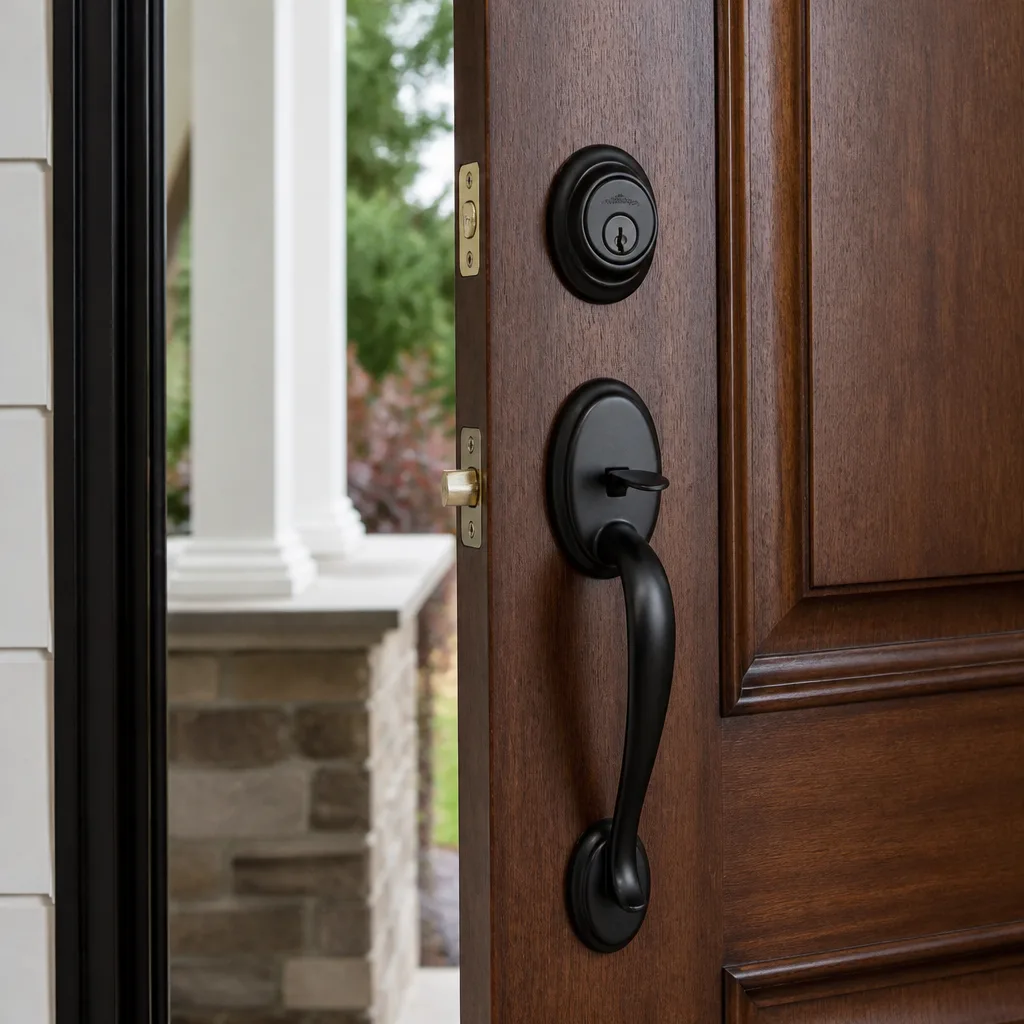 Schlage
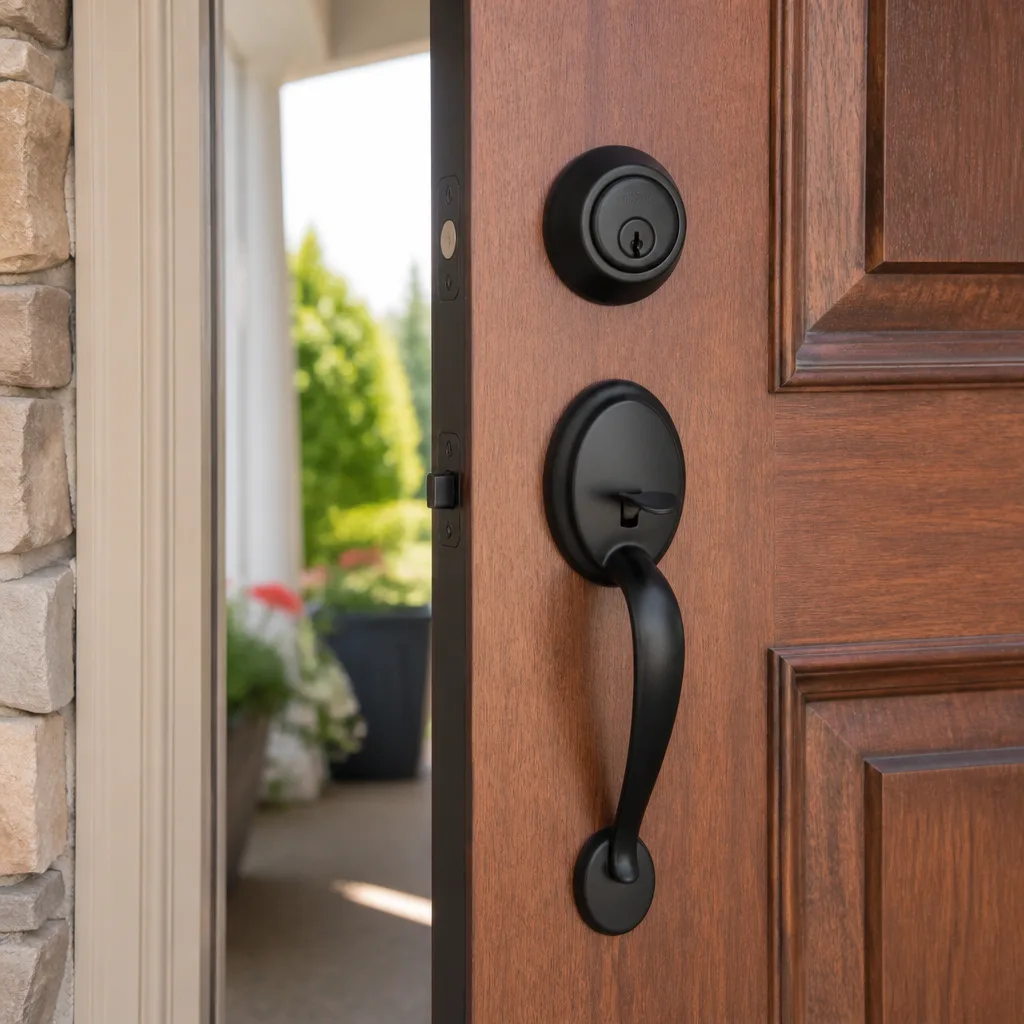 Kwikset
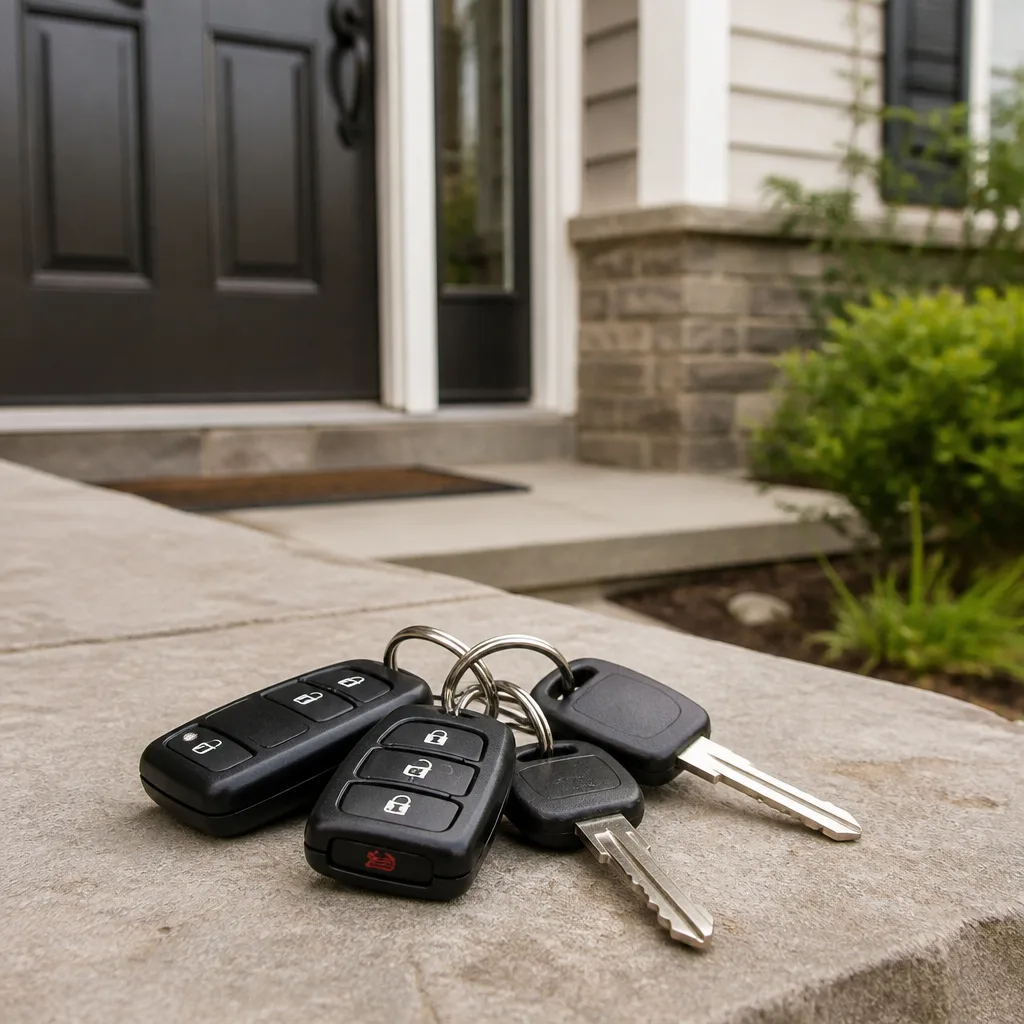 Car keys & fobs
Non-destructive entry first, always - and we re-key Schlage, Kwikset, and Baldwin locks on the spot while you watch
You get a price before we start. It does not change when we arrive. No surprises.
Get your free estimateDIY vs Professional Locksmith: The Irvine Homeowner’s Decision Guide
The most expensive locksmith call in Irvine is often the second one: the one that happens after a homeowner tries a DIY fix, realizes the lock doesn’t actually secure anything, and then pays a professional to undo the damage. Here’s a sharper example: replacing a deadbolt with the same grade of hardware is a legitimate Saturday morning job that takes twenty minutes and saves you a service call. But buying a Schlage B60N at Home Depot to replace a compromised Medeco is a downgrade you may not notice until a break-in investigator points it out. This guide draws the precise line between jobs you should do yourself and jobs where the math always favors a professional, so you don’t pay for help you don’t need and don’t skip help you do.
Quick Answer
DIY locksmith work in Irvine is genuinely appropriate when you’re swapping same-grade hardware on visible, non-security-critical applications like bedroom knobs or sliding door locks. Professional involvement becomes non-negotiable when the task involves bypassing a lock you don’t have a key for, programming a transponder, rekeying pin stacks, installing high-security hardware, or any job where your insurance or HOA requires documentation. The threshold is not your handiness. It’s whether the task touches the security mechanism itself.
Styles & brands we work with
Table of Contents
- The Decision Line: Hardware Swap vs Security Work
- DIY Jobs That Make Sense in Irvine
- Jobs Where a Professional Is Non-Negotiable
- The Hidden Cost of DIY Rekeying Kits
- Irvine HOA Rules and What They Mean for DIY Hardware
- Tool Cost Reality Check: The Transponder Problem
- When to Call a Locksmith Even If You Could Do It Yourself
- How to Choose a Locksmith in Irvine Without Getting Burned
The Decision Line: Hardware Swap vs Security Work
Most locksmith trade work falls into two buckets, and homeowners save the most money by recognizing which bucket they’re standing in before they open a toolbox. The first bucket is hardware replacement: removing a complete lock assembly and installing a new one of the same format and grade. The second bucket is security mechanism work: anything that alters how a lock accepts or rejects keys, how it’s pinned, how it responds to electronic signals, or how it integrates with a larger keying system.
The line between these buckets is the line between DIY and professional. Hardware replacement is mechanical. You’re working with screws, a strike plate, and a cylinder that’s already keyed. The lock either fits the door prep or it doesn’t, and the failure mode is a misaligned latch, not a compromised security system. Security mechanism work is different. When you change the pinning inside a cylinder, you’re changing the mathematical relationship between a key and a lock. Get that wrong and the lock still looks fine from the outside. It turns. It latches. It just also opens for keys that shouldn’t exist, or intermittently fails to open for keys that should.
In our experience across Irvine, the homeowners who get into trouble are not the ones who try to rekey a lock and fail visibly. They’re the ones who rekey a lock, it works for a week, and then it starts binding on a cold night because a pin stack was assembled in the wrong order. That’s the intermittent failure that sends someone to a locksmith at 10 p.m. on a Tuesday.
The Binary Decision Table
| Task | DIY Appropriate? | Why |
|---|---|---|
| Replace a bedroom or hallway knob | Yes | No security function; same-grade hardware is purely mechanical |
| Swap a sliding door lock for same format | Yes | Non-keyed, visible, easy to verify alignment |
| Replace a deadbolt with same grade (not high-security) | Yes | Same footprint, same cylinder type, no rekeying involved |
| Rekey a Schlage or Kwikset cylinder | No | Pin stack misalignment creates intermittent failures; voids some warranties |
| Program or clone a transponder car key | No | Requires OBD-II access and security token authorization; equipment costs $3,000+ |
| Install or modify a master key system | No | Requires pinning math that determines which keys open which doors |
| Install Medeco, Mul-T-Lock, Abloy, or Sargent high-security hardware | No | Restricted keyways, specialized tools, and often certified installer requirements |
DIY Jobs That Make Sense in Irvine
Some lock-related work is genuinely appropriate for a homeowner with a Phillips head screwdriver and twenty minutes of patience. The key phrase is “same-grade replacement.” You’re not changing the security profile of the door. You’re swapping worn hardware for fresh hardware that installs in the same footprint.
The most common legitimate DIY job in Irvine is replacing a passage knob or privacy knob on a bedroom, hallway, or bathroom door. These locks have no key override and no security function beyond keeping a door closed. A Kwikset or Schlage knob from any hardware store installs in the existing bore with two screws. The only way to do it wrong is to put the latch in backwards, and you’ll notice that immediately because the door won’t close.
Sliding door lock replacement is another honest DIY candidate. Most Irvine homes built after 1990 have the same basic hardware, and swapping a broken foot lock or mortise hook for the same format takes under an hour. Here’s the caveat: measure the existing screw hole spacing before you buy the replacement. Sliding door hardware comes in several spacings, and drilling new holes in aluminum patio door frames rarely goes well.
- Confirm the existing lock’s brand and format before you buy. Schlage and Kwikset use different tailpieces that are not interchangeable.
- Remove the old hardware completely and inspect the door prep. The bore hole should be round, clean, and free of splintering.
- Install the new latch assembly first, then the exterior cylinder, then the interior mounting plate. Do not overtighten the screws. A binding latch is usually caused by over-tightening, not the lock itself.
- Test with the door open first, then closed. The latch should extend and retract freely without the door needing to be lifted or pinned.
- If the strike plate doesn’t line up, move the plate, not the latch. Adjust the screw position on the door frame, never on the lock body.
The DIY payoff is real but modest. Replacing your own passage knobs and sliding door locks around an Irvine home might save you $150 to $300 in labor. That’s worth doing. What’s not worth doing is attempting a same-grade switch on a deadbolt that you rely on for actual security and then spending three hours troubleshooting why the key only works when you lift the door handle. That’s where the threshold gets crossed.
Jobs Where a Professional Is Non-Negotiable
Some lock work cannot be done by a homeowner no matter how handy they are, and the reason has nothing to do with skill. It’s about equipment, authorization, and certification. The most obvious example is transponder key programming. Modern car keys for nearly every make sold in Irvine contain a chip that communicates with the vehicle’s immobilizer system through the OBD-II port. Programming a new key requires a diagnostic tool that can authenticate with the vehicle’s security gateway, and that tool is not sold at AutoZone.
The second non-negotiable category is rekeying. Not because rekeying is conceptually difficult. It’s a matter of disassembling a cylinder, replacing the driver pins and springs to match a new key cut, and reassembling without losing a pin. The problem is that doing this correctly requires a pinning kit, a follower tube, plug followers, a pinning mat, and a working understanding of how pin stack heights map to key cuts. Consumer rekey kits exist, but they cover one brand’s one keyway and they’re notorious for producing locks that work inconsistently. We’ll get into the specifics below.
High-security hardware is the third category, and it’s the one where DIY attempts are most likely to end in a destroyed lock. Medeco, Mul-T-Lock, Abloy, and Sargent cylinders use restricted keyways, angled pin cuts, rotating pins, or disc detainer mechanisms. These locks cannot be rekeyed with standard pinning equipment, and the key blanks are patent-controlled. If you have a Medeco lock in your Irvine home and you lose a key, you are dealing with a lock that most residential locksmiths can’t service, let alone a homeowner with a Rockwell drill. The right move is a locksmith who is certified on that specific brand.
The fourth category is anything involving a master key system. Master keying is a mathematical exercise where each cylinder receives split pins that allow it to be opened by both an individual key and a master key. If a homeowner adds an incorrectly pinned cylinder to a master keyed building, the result can be a door that opens for keys it shouldn’t, or a master key that stops working on that door. In an Irvine condo or apartment building, that’s a building-wide problem, not a single-door problem.
The True Blue Locksmith home page outlines the full scope of what a full-spectrum locksmith handles, from car key replacement to high-security installs, if you want to understand the range of what’s actually involved.
The Hidden Cost of DIY Rekeying Kits
The DIY rekey kit looks like a bargain. For $15 to $40, you get a small box of pins, springs, a follower, and instructions that make the process look like assembling a pen. The reality in Irvine homes is that these kits have hidden costs most homeowners don’t discover until the lock misbehaves.
The first cost is warranty voiding. Schlage and Kwikset both publish limited warranties on their residential lock hardware. Those warranties cover manufacturing defects, not installation errors, but the distinction gets muddy when a homeowner disassembles the cylinder. If a pin stack gets reassembled incorrectly and the lock later fails, the manufacturer will attribute the failure to improper assembly, not a defect. For a homeowner, that means the warranty is functionally void the moment you open the cylinder. For a locksmith rekeying the same lock, the workmanship creates its own accountability, and the lock’s warranty is less likely to be challenged because the work was done by a licensed trade professional.
The second cost is intermittent failure. Consumer rekey kits include pins and springs, but they don’t include the depth-measurement tools that tell you whether the pins you’re installing actually match the cuts on your new key. Key cuts are measured in thousandths of an inch. If a pin is off by one step, the lock may work most of the time but bind when the weather shifts. Irvine’s temperature swings between hot inland summers and cool coastal nights means latch and cylinder expansion is a real variable. A marginal rekey that works in a climate-controlled garage can fail on a cold January evening when the door wants the pin stack to move and the pin stack says no.
The third cost is the callout you’ll eventually make anyway. In our experience with rekeying locks in Irvine, we regularly get calls from homeowners who tried a DIY kit first. The most common sequence is: the lock works for a few days, then the key starts sticking, then the key gets stuck entirely, and then the homeowner has to call an emergency locksmith in Irvine to extract the key from a cylinder that has pins jammed in the wrong position. What would have been a $65 rekey becomes a $150+ emergency extraction plus rekey.
Here’s the honest math: a professional rekey of a Schlage or Kwikset cylinder runs anywhere from $20 to $50 per cylinder depending on the locksmith’s service area and volume. A DIY kit costs $15 to $40 for the kit, plus the time, plus the non-zero probability of a follow-up service call. The breakeven never genuinely arrives unless you’re rekeying four or more locks with perfect success on the first attempt, which the kit’s design actively works against.
Irvine HOA Rules and What They Mean for DIY Hardware
Irvine is a master-planned city with one of the highest HOA coverage rates in Orange County. Most Irvine communities are governed by CC&Rs that include architectural control clauses covering exterior hardware changes. That includes front door locksets, handle sets, deadbolt finishes, and even door hardware color in some communities.
This creates a specific DIY trap that doesn’t exist in less regulated cities. A homeowner replaces a builder-grade Kwikset deadbolt with a newer Schlage in a different finish. The install takes twenty minutes and works perfectly. Then the HOA sends a notice. The new hardware violates the architectural standard for the community. Now the homeowner has two choices: buy another lock in the approved finish and install it, or face fines.
The check is simple. Before you replace any exterior door hardware in Irvine, check your HOA’s architectural guidelines. Many Irvine HOAs publish approved hardware finishes and brands. Some require submission and approval before the change. Others allow same-finish replacement without approval but prohibit finish changes. If your existing hardware is satin nickel, you can usually replace it with satin nickel without triggering a review. If you want polished brass, that’s likely a submission.
Here’s a specific example. The Village of Woodbridge in Irvine has historically required homeowner-submitted architectural applications for exterior door hardware changes that alter the finish or style of the door. Same-finish, same-style replacements have generally been exempt. The Great Park Neighborhoods have similar provisions. If you’re unsure, the Irvine Community Development Department and your HOA management company both have the answer, and it’s a question worth asking before you drill.
The practical takeaway: for exterior doors in Irvine, the old hardware is often the best template for what’s approved. Buy the same finish, same format, and same visual style, and you’ll likely stay clear of architectural review. Change the finish or style, and you may be creating a compliance issue that no amount of DIY competence will fix.
Tool Cost Reality Check: The Transponder Problem
Automotive locksmith work is the clearest case where the DIY threshold is defined entirely by tool cost. A homeowner can buy a basic key-cutting machine for under $200. That’s enough to cut a mechanical key for an older vehicle with no chip. But for any car made in the last 20 years, the physical key is only half the story. The other half is a transponder chip that must be programmed to the vehicle’s immobilizer system before the car will start.
Programming a transponder key requires diagnostic equipment that can communicate with the vehicle’s ECU through the OBD-II port, authenticate with the security system, and write the new key’s ID to the immobilizer’s memory. Entry-level transponder programming tools start around $1,500 and have severe limitations. Full-coverage tools that handle most makes and models run $3,000 to $10,000. Then you need key blanks that are compatible with those tools, token subscriptions for certain manufacturers, and the knowledge to use the equipment without bricking the vehicle’s security system.
Here’s the breakeven calculation for an Irvine homeowner: if you need one key programmed, a professional car key replacement in Irvine typically runs from $150 to $400 depending on the vehicle. To break even on a $3,000 tool purchase, you’d need to program somewhere between 8 and 20 keys yourself, assuming perfect success and no token fees. For a household with two cars, even if both lose all their keys twice, the breakeven never arrives.
And that’s just the equipment. Automotive programming tools come with licensing restrictions. Many full-coverage tools require a driver’s license, a business address, and proof of locksmith credentials to purchase. Some manufacturers require VIN registration for each key. The homeowner path to automotive locksmith capability does not meaningfully exist, which is why even the most determined DIY enthusiast calls a professional for car key work.
The same logic applies to high-security lock tools. Medeco cut keys require a card-controlled key blank and a specialized cutting machine keyed to that profile. Abloy disc detainer locks require a dedicated pick and rekeying tool. No homeowner reaches for this equipment because the acquisition path is not open to them, and even if it were, the cost per use would be hundreds of dollars per key.
When to Call a Locksmith Even If You Could Do It Yourself
Some jobs are technically DIY-eligible but should still go to a professional because of the paper trail. The first category is rental properties. If you own a rental in Irvine and you rekey the locks yourself between tenants, you have no documentation that the rekey actually happened. If a former tenant or their guest accesses the property, the property owner’s liability position is weaker without a locksmith’s invoice showing the date, the locks rekeyed, and the new key count. Landlord insurance policies often expect rekeying between tenants as a condition of coverage, and a professional invoice is evidence that a DIY job cannot provide.
The second category is insurance-required hardware. After a break-in, many Irvine homeowners insurance policies require the property owner to restore the point of entry to a specific security standard. If your policy requires a Grade 1 deadbolt and you install a Grade 3 knob, you’re not compliant. A locksmith can document that the installed hardware meets the policy requirement. A Home Depot receipt proves you bought hardware, not that it meets a standard.
The third category is post-break-in security audits. After a burglary in an Irvine neighborhood, we often walk properties where the owner wants to know how the intruder got in, what they could have taken, and what needs to change. That audit involves checking every door, every window, every strike plate, every hinge, and the garage access. A homeowner can do some of that themselves, but a professional is more likely to spot the less obvious vulnerabilities: the jamb that’s been chewed out by the existing deadbolt, the recessed strike plate that’s only attached to the trim, the window latch that looks closed but doesn’t actually seat.
None of this is gatekeeping. It’s about liability and verification. When a lock change or security upgrade needs to be documented, the DIY option stops being an option even if the mechanical work would be straightforward.
How to Choose a Locksmith in Irvine Without Getting Burned
The locksmith industry has a documented problem with bait pricing. A dispatcher quotes a low service fee. A technician arrives, looks at the lock, and announces that the “special” lock requires additional work at double or triple the quoted price. The homeowner is standing outside their house, their key is broken in the cylinder, and they’re paying whatever number gets quoted because the alternative is worse.
The way to avoid this in Irvine is to ask four specific questions before you agree to dispatch:
- What is the total cost to me, including all labor, parts, and travel, for the exact job I’m describing? A legitimate locksmith will quote a range over the phone and honor it.
- Is the price you’re quoting me over the phone the price I will see on the invoice? If the answer is anything other than yes, hang up.
- Do you stock the hardware brand I have on my door? If you have a Schlage, Kwikset, or Medeco, the locksmith should know what they’re walking up to before they arrive.
- Are you insured and bonded for lock work in California? A real locksmith answers this without hesitation. A broker who subcontracts to a day laborer does not.
True Blue Locksmith is built on the no-surprise model. The quote you get on the phone is the price on the invoice. No dispatch fee gotchas, no bait-and-switch add-ons, no inflated rates because you’re standing outside a locked house. We service eight major lock brands including Schlage, Kwikset, Medeco, Yale, Baldwin, Mul-T-Lock, Sargent, and Abloy, so the technician arriving at your Irvine home already knows your hardware.
Common Mistakes to Avoid
- Using a consumer rekey kit on a security deadbolt. These kits cover one brand’s one keyway and produce intermittent failures when pin stacks are assembled out of order. The cost of the follow-up service call exceeds the cost of the original professional rekey.
- Downgrading hardware without realizing it. Replacing a Medeco, Mul-T-Lock, or Abloy cylinder with a Schlage B60N from Home Depot is a security downgrade that looks fine from the outside. High-security cylinders exist because someone in the home’s past chose them for a reason.
- Drilling out a high-security lock as a DIY bypass. Medeco and Abloy cylinders contain hardened anti-drill components that destroy drill bits and often ruin the surrounding door. What would have been a clean professional extraction becomes a door replacement.
- Ignoring Irvine HOA architectural rules before changing exterior hardware. A same-finish, same-style replacement is usually fine. A finish or style change without approval can trigger a notice and a mandatory redo.
- Buying automotive programming equipment for a one-time key replacement. The $3,000+ equipment cost never breaks even for a household, and some tools require professional credentials to purchase at all.
- Rekeying a rental yourself and skipping documentation. Without a locksmith invoice, the landlord has no paper trail proving the rekey happened between tenants, which weakens liability protection if a former tenant accesses the property.
- Calling the cheapest number in the search results. The lowest advertised price on Irvine locksmith listings is often a dispatch fee that inflates on arrival. The honest quote is the one that’s the same on the phone and on the invoice.
When to Call a Professional
Call a professional when the job touches the security mechanism: rekeying, transponder programming, master key work, high-security installs, or post-break-in audits. Call a professional when the job needs documentation for insurance or HOA compliance. And call a professional when you’re standing outside your locked car or home right now, because the urgency is real and the cost of a botched bypass is higher than the cost of the call. True Blue Locksmith offers free estimates in Irvine. Call (877) 358-5506 for an honest quote, and the price you hear is the price you’ll pay.
Frequently Asked Questions
A residential locksmith service call in Irvine typically runs between $50 and $150 for the service fee, with the total depending on the job. A simple rekey of a Schlage or Kwikset cylinder usually lands between $20 and $50 per cylinder after the service call. Car key replacement with transponder programming typically runs $150 to $400 depending on the vehicle and key type. Emergency after-hours work carries a premium. The price you get on the phone from True Blue Locksmith at (877) 358-5506 is the price you pay on the invoice, no arrival add-ons.
You can technically rekey a Schlage or Kwikset lock with a consumer rekey kit, but the risk is intermittent failure caused by misaligned pin stacks, and the kit will void many manufacturers’ warranties by opening the cylinder. A professional rekey costs $20 to $50 per cylinder and includes workmanship accountability. For more on professional rekeying, see rekeying locks in Irvine.
Rekeying is usually the better option after a break-in because it changes the key that opens the lock without requiring new hardware, assuming the lock itself was not damaged. If the lock is physically damaged, replacement is necessary. A post-break-in audit by a locksmith can tell you which locks need what. Call (877) 358-5506 for a free estimate on rekeying after a burglary in Irvine.
A regular deadbolt like a Kwikset or Schlage uses a standard keyway with conventional pin tumblers. High-security locks like Medeco, Mul-T-Lock, Abloy, and Sargent use restricted keyways, specialized pin mechanisms, and key blanks that cannot be copied at a hardware store. High-security locks also resist picking, bumping, and drilling far more effectively than consumer grades.
Some Irvine HOAs require architectural approval for exterior door hardware changes that alter the finish or style, while same-finish, same-style replacements are typically exempt. Check your community’s CC&Rs or architectural guidelines before replacing exterior hardware. A locksmith familiar with Irvine HOA requirements can help you avoid compliance issues.
Emergency locksmith response in Irvine varies by provider, time of day, and traffic conditions. For urgent lockouts, contact Emergency Locksmith in Irvine at (877) 358-5506, and the dispatcher will give you an honest arrival estimate and an upfront quote before anyone is dispatched.
The Bottom Line
The DIY-versus-professional locksmith question has a cleaner answer than most home improvement decisions. If the task is replacing same-grade, visibly mechanical hardware like passage knobs or sliding door locks, you can do it yourself with a screwdriver and twenty minutes. If the task touches the security mechanism, rekeying, transponder programming, high-security hardware, master key systems, or anything that requires documentation, the professional is the only cost-effective option. Irvine adds a wrinkle that most cities don’t: HOA architectural rules that can turn a simple hardware swap into a compliance issue. When in doubt, get an honest quote first. True Blue Locksmith gives you the number on the phone and the same number on the invoice. Call (877) 358-5506.
Written by the team at True Blue Locksmith, serving Irvine since 2017.